
When should wisdom teeth be removed? The answer depends on whether a tooth is causing disease or damage, the risks of surgery and your individual circumstances. An impacted wisdom tooth does not automatically need extraction. For patients in Hanoi, an examination is the starting point for deciding between treatment and monitoring.
When removal may be recommended
A dentist may recommend extraction for a tooth with decay that cannot be restored, repeated or severe gum infection, an abscess, damage to a neighbouring tooth or a cyst. Pain is a reason to seek assessment, but it does not establish the diagnosis by itself.
NICE guidance on wisdom tooth extraction, written for the UK NHS, advises against routine preventive removal of disease-free impacted teeth. It also distinguishes a first, less severe episode of inflammation from recurrent or particularly severe infection. This is useful background for a discussion, rather than a substitute for an individual treatment recommendation.
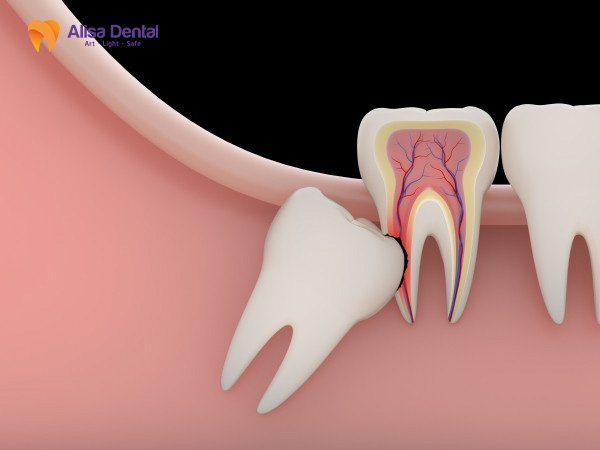
Can a wisdom tooth be left in place?
Yes. A tooth without disease may be monitored at dental check-ups. Ask your dentist what should be reviewed and which changes should bring you back sooner. Monitoring is an active plan, not simply waiting until pain becomes severe.
What to discuss at your assessment in Hanoi
Bring previous dental records or X-rays if you have them, and explain when symptoms began. Your dentist may take X-rays to assess the tooth’s position. Ask to see the findings and understand why they support the proposed treatment.
- Is the pain definitely coming from this tooth?
- Is there decay, infection or damage to the neighbouring molar?
- What are the benefits and drawbacks of removal now?
- If I choose monitoring, what is the follow-up plan?
- Does the tooth’s position make referral appropriate?
Share your medical conditions, allergies and full medication list. Tell the team if you are pregnant or have had previous problems with dental treatment. Do not stop prescribed medicine yourself; ask the treating clinician for instructions.
Understand the procedure and its risks
Removal is commonly performed with local anaesthetic. More complex teeth may need a surgical approach or specialist referral. Possible complications include dry socket, infection and nerve injury causing altered sensation. The NHS patient guide provides an overview. Ask which risks apply to your particular tooth and how they will be managed.
Questions about cost and timing
Compare a written treatment plan rather than an advertised starting price alone. Check whether the estimate includes examination, imaging, extraction, medication and any planned review. The Alisa Dental price list is a starting point for discussing your quote.
If you live overseas or are travelling through Hanoi, provide your departure date at the first appointment. Ask about recovery time, follow-up and access to care after leaving Vietnam. Follow the clinic’s specific eating and drinking instructions before the appointment, especially if sedation is being considered.
Book a wisdom tooth assessment
You can request an appointment at Alisa Dental, 33 Nguyen Phong Sac, Cau Giay, Hanoi. Include your main symptoms and preferred dates. An assessment helps you make an informed decision; it is not a commitment to have the tooth removed.