

From gum disease and bite problems to teeth grinding and bone loss, there are many possible causes behind loose teeth. This article explains the main reasons for tooth mobility, how it progresses, and the treatment options available to help stabilize and save your natural teeth.
Understanding Tooth Mobility: Is Some Movement Normal?
In reality, natural teeth possess a very slight degree of physiological mobility. Healthy teeth can typically move up to 0.15mm within their sockets. This minor flexibility allows the periodontal ligament (PDL) to act as a biological shock absorber, protecting the teeth and jawbone from the immense pressure generated during chewing.
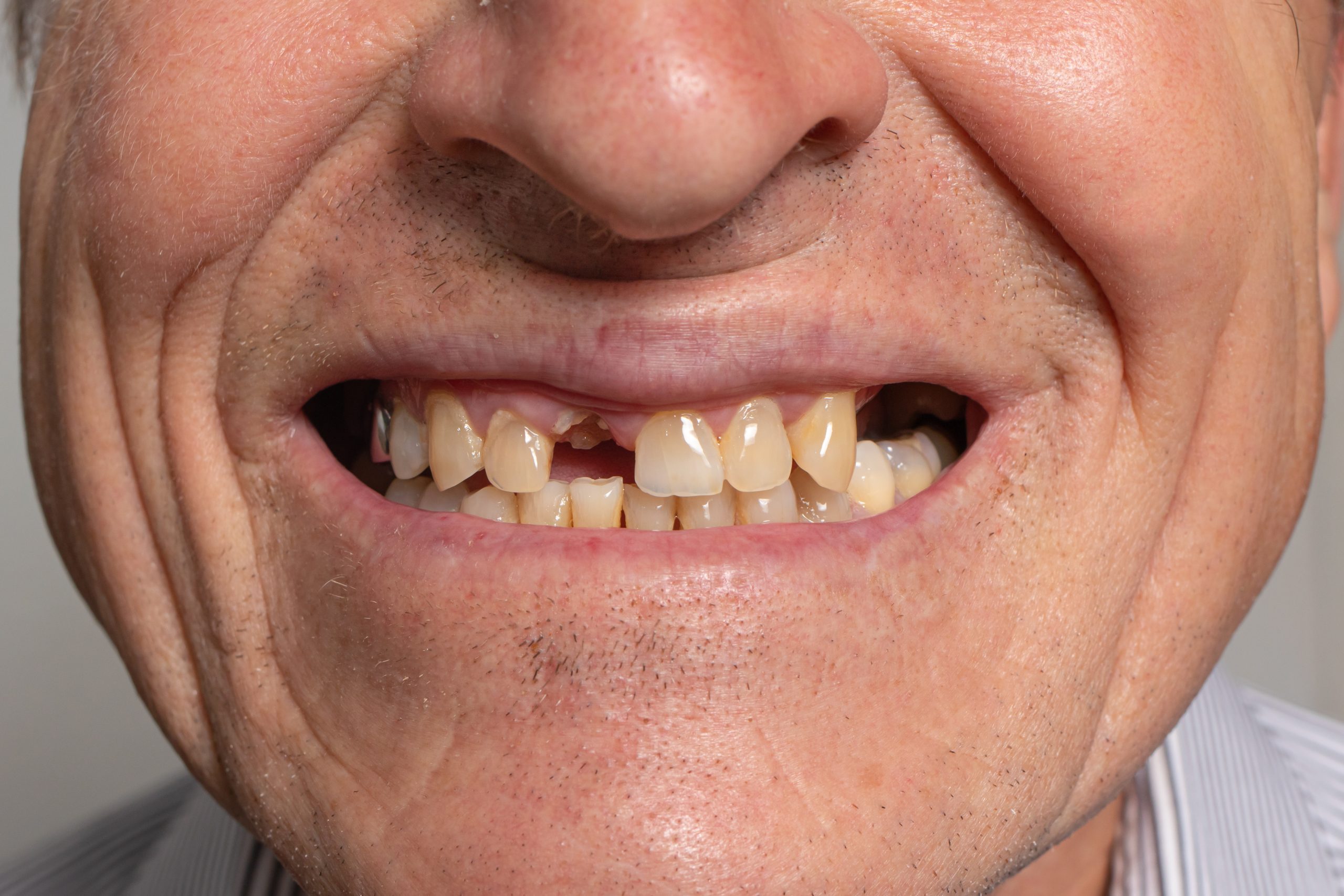
However, pathological mobility occurs when tooth movement exceeds these normal limits, allowing the tooth to wiggle horizontally or even vertically. While loose teeth are a normal part of development for children, they are never a normal phenomenon for adults.
In a mature mouth, tooth mobility is a critical warning sign of an underlying pathological issue, injury, or serious disease that requires immediate medical intervention to prevent the tooth from falling out.
Tooth mobility is abnormal movement of a tooth that may signal dental problems
Primary Tooth Mobility Causes in Adults
Several primary factors can compromise the stability of a tooth. These usually involve the destruction of the supporting tissues or excessive mechanical force.
Advanced Periodontitis
Advanced periodontitis is the most common cause of tooth mobility and tooth loss in adults. When plaque and bacteria are not effectively removed through daily hygiene, they cause a chronic infection of the gums. As the disease progresses, bacteria penetrate deep into the tissues, destroying the alveolar bone and the periodontal ligaments that anchor the tooth in place.
This destructive process creates deep “periodontal pockets” beneath the gum line, which act as reservoirs for food debris, viruses, and aggressive bacteria. Consequently, the tooth loses its firm attachment foundation and begins to feel loose.
Occlusal Trauma
Bite misalignment, uneven tooth wear, or dental restorations (such as fillings or crowns) that are “too high” can lead to occlusal trauma. When the chewing surfaces do not align perfectly, excessive force is placed on specific teeth every time you bite or chew.
These chronic micro-traumas constantly stress the tissues surrounding the tooth root, fatiguing and damaging the supporting structures. Over time, this mechanical overload causes the tooth to loosen rapidly as the body attempts to adapt to the trauma.
Occlusal trauma is excessive bite force on certain teeth that gradually damages supporting tissues and can cause tooth mobility
Bruxism
Bruxism, the habit of grinding or clenching teeth, often occurs unconsciously during sleep or during periods of high stress. This condition subjects the teeth to massive, repetitive lateral forces and intense pressure.
Over time, this relentless grinding stretches and damages the periodontal ligament system. As the ligaments lose their elasticity and the surrounding bone is stressed, the teeth subjected to this friction gradually become nới lỏng (loosened) from their bony sockets.
Dental Trauma or Physical Injury
Oral trauma resulting from falls, accidents, or sports injuries (such as being hit by a ball or a hockey stick) exerts a sudden, violent impact on the tooth’s attachment apparatus. This physical force can immediately tear or overstretch the tissues and ligaments that hold the tooth in its socket. In some cases, the trauma may even cause a root fracture. The resulting mobility might be felt immediately or may appear several days after the initial injury as inflammation sets in.
Dental trauma is injury that can loosen teeth
Secondary Factors and Underlying Risks
Beyond direct dental issues, various systemic conditions and biological changes can weaken the support system of your teeth.
Hormonal Changes
Hormonal fluctuations play a significant role in periodontal health. During pregnancy, elevated levels of progesterone and estrogen can cause the gums to become swollen, tender, and prone to bleeding. These changes can also temporarily affect the ligaments holding the teeth, causing physiological mobility or worsening existing “pregnancy gingivitis.”
Similarly, in menopausal women, the drop in estrogen levels can lead to a decrease in the mineral density of both the jawbone and the teeth, weakening the overall ligament structure.
Hormonal changes can temporarily affect gum and bone health, leading to increased tooth mobility
Systemic Health Issues
Poor systemic health is closely linked to tooth stability. Osteoporosis, a disease that reduces bone density throughout the entire body, can affect the jawbone and lead to the resorption of the alveolar bone, directly stripping away the tooth’s foundation.
Furthermore, systemic conditions such as diabetes impair the immune system and hinder the body’s natural healing process. This makes periodontal infections more severe and harder to treat, accelerating the destruction of the tooth’s supporting tissues.
Side Effects of Certain Medications
Certain medications used to treat systemic conditions can have side effects that interfere with dental health. Some drugs cause severe dry mouth (xerostomia) by disrupting normal saliva production. A lack of saliva allows bacteria to flourish unchecked. Other medications may interfere with bone metabolism or cause endocrine dysfunction, indirectly weakening the natural supporting structures and contributing to tooth mobility.
Certain medications can weaken oral health by reducing saliva flow or affecting bone support, leading to tooth mobility
Professional Treatment Options for Stabilizing Loose Teeth
If you are experiencing tooth mobility, a dentist can offer several professional “Treatment Options” to stabilize and save your natural teeth.
Scaling and Root Planing
This is a deep-cleaning procedure performed below the gum line. The dentist removes plaque and hardened tartar (calculus) from the periodontal pockets and then smooths the root surfaces. By eliminating the source of infection, gum inflammation subsides, giving the gum tissue a chance to heal and reattach firmly to the tooth root, thereby reducing mobility caused by early-stage gum disease.
Splinting
In cases of moderate mobility, a technique called splinting is used to stabilize the teeth. The dentist uses a thin wire or a specialized fiber-reinforced composite resin to bond the loose tooth to the healthy, stable teeth next to it.
Much like a cast for a broken bone, this splint helps redistribute chewing forces and keeps the tooth immobile, giving the periodontal ligaments time to heal and reattach securely. It’s important to note that this method is primarily indicated for teeth loosened by injury or trauma, and is not typically suitable for mobility caused by advanced periodontal disease.
Splinting stabilizes loose teeth by bonding them to nearby teeth
Bone Grafting and Tissue Regeneration
When the disease has significantly destroyed the alveolar bone, regenerative surgical methods are employed. Bone grafting involves placing graft material into the area of bone loss to stimulate the body to rebuild the supporting foundation. This is often paired with Guided Tissue Regeneration (GTR), where specialized biological membranes are used to prevent gum tissue from growing into the bone site, allowing slower-growing bone and ligament cells to regenerate properly.
Bite adjustment
If the mobility is caused by excessive biting pressure, a dentist will perform an occlusal adjustment. By subtly reshaping and contouring the contact points on the chewing surfaces of the teeth, the doctor reduces the load and redistributes pressure evenly across the entire dental arch. This relieves the traumatized tooth from micro-trauma during chewing, allowing it to gradually regain its strength and stability.
Bite adjustment reduces excessive pressure on teeth by reshaping contact points to improve bite balance and stability
Preventive Care: Keeping Your Foundation Strong
Maintaining a healthy oral foundation is the key to preventing tooth mobility and eventual tooth loss. Consider these essential preventive measures:
- Daily hygiene habits (Brushing/Flossing): Thoroughly clean your mouth to remove the primary cause of disease. Brush twice daily with a soft-bristled brush and floss daily to eliminate plaque from areas where bristles cannot reach.
- Using a mouthguard for grinding: If you have a habit of grinding or clenching, wear a custom-designed night guard. It acts as a protective cushion, dispersing biting forces and shielding the ligaments around your teeth.
- Regular professional maintenance: Visit the dentist at least twice a year for professional cleanings and comprehensive check-ups to detect and treat early signs of gingivitis, bone loss, or bite issues.
Preventive care helps maintain oral health and prevent tooth mobility
FAQ
Can a loose tooth tighten up on its own?
Yes, a loose tooth can tighten back up, but only if the root cause is diagnosed and treated promptly. If the mobility is due to mild inflammation or grinding, non-surgical procedures such as deep cleaning or wearing a night guard can help the ligaments reduce inflammation and naturally contract, allowing the tooth to become firm again.
Is tooth mobility a sign of a vitamin deficiency?
While rarely the sole cause, vitamin deficiencies can contribute to weakened jawbone health. Maintaining a diet rich in Vitamin A, Vitamin D, and Calcium is essential for strengthening the alveolar bone system, which indirectly helps prevent tooth mobility.
When is a loose tooth considered a dental emergency?
A loose tooth becomes a dental emergency if the cause is acute trauma (accidents or sports) that has displaced the tooth from its socket. Additionally, a loose tooth accompanied by intense pain, fever, pus, or heavy bleeding requires urgent intervention. The chances of saving a tooth are highest if it is stabilized by a professional within one hour of the injury.
Tooth mobility in adults is a serious warning sign of underlying dental or health issues, but in many cases, the condition can be treated if diagnosed early. At Alisa Dental, we focus on identifying the root cause and preserving natural teeth using advanced diagnostic tools and personalized treatment plans. Do not wait until the condition worsens, early intervention is key to stabilizing your teeth and protecting your long-term oral health.
Contact Information:
- 33 Nguyen Phong Sac, Cau Giay, Hanoi
- Hotline: 0921 617 555
- Email: international@alisadental.com
- Working hours: 8:30 AM – 7:00 PM