
Understanding dental implant pros and cons can help you decide whether to explore treatment for a missing tooth. Implants can offer stable support for replacement teeth, but they involve surgery, healing time and ongoing maintenance. The right choice depends on your mouth, health, budget and ability to attend follow-up appointments.
What does a dental implant replace?
An implant is placed in the jaw to support a replacement tooth or teeth. A single-tooth restoration typically includes the implant, a connecting abutment and a crown. Replacing several teeth or a full arch requires a different design; ask your dentist to explain which components are in your proposed plan.
The main advantages of dental implants
- Support for chewing and appearance: a well-planned restoration can replace missing teeth and improve day-to-day function.
- Independent support: an implant-supported crown does not rely on cutting down neighbouring teeth for a conventional bridge.
- Different restoration options: implants can support fixed teeth or improve the stability of a removable overdenture.
The Leeds Teaching Hospitals implant guide explains these options. “Implant treatment” does not always mean the same type of final teeth, so compare the proposed restoration as well as the implant brand.
The disadvantages and limitations
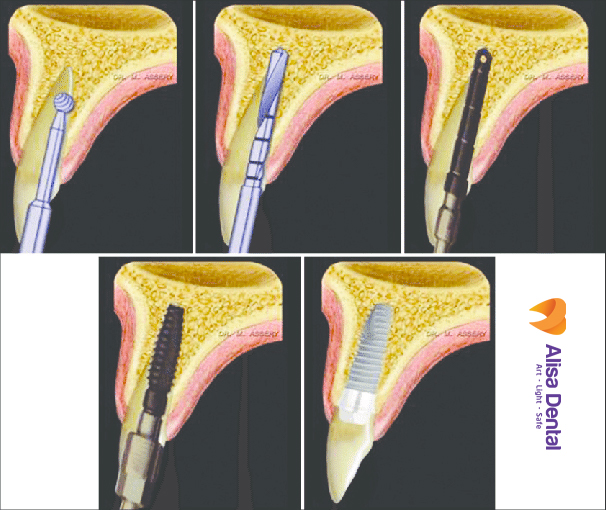
Implant placement is a surgical procedure. Risks include infection, injury to surrounding structures and failure of the implant to integrate. A crown or other component can also require repair or replacement later. No treatment can promise a lifetime without complications.
Healing can take several months, and smoking can reduce the likelihood of successful healing. Daily cleaning and regular dental reviews remain important after the replacement teeth are fitted. The FDA patient information on dental implants outlines benefits, risks and follow-up considerations.
Who may be suitable?
Your assessment considers gum health, available bone, general health and whether jaw growth is complete. Some patients need additional treatment, such as bone grafting, which can extend the process. Discuss medical conditions, medications and smoking openly with your dentist. A photograph or an online conversation alone cannot confirm suitability.
Compare implants with other options
Ask for a comparison with a bridge or removable denture where appropriate. Rather than asking which option is universally “best”, explain your priorities: comfort, appearance, cleaning, treatment time and affordability. Ask what each choice would involve for the neighbouring teeth and future maintenance.
How to compare costs in Hanoi
Use the Alisa Dental price list as a starting point, then request an itemised quote. Confirm the implant system, abutment, final restoration, imaging, any grafting and follow-up arrangements. Ask which items are included and which would be charged separately.
For full-arch treatment, also clarify the cost and material of both temporary and final teeth. A price per implant is not automatically the total cost of a completed arch. Agree on the currency and payment stages in writing before treatment.
Planning treatment from overseas
If you are visiting Hanoi, discuss your travel dates and who will provide care between appointments. Ask for a written schedule, a copy of your treatment records and instructions for contacting the clinic if a problem develops at home. Allow the clinical plan to guide the travel schedule.
For the next step, read about dental implant treatment in Hanoi or request an assessment at Alisa Dental. Bring your questions and previous dental records so you can compare the benefits and limitations in your own case.