

Gum recession is a common yet often overlooked dental condition that can silently impact both your oral health and appearance. As the gum tissue gradually pulls back, it exposes the tooth roots, leading to sensitivity, a higher risk of decay, and noticeable changes in your smile. Understanding the causes, early warning signs, and modern treatment options for gum recession is essential to prevent long-term damage and maintain a healthy, confident smile.
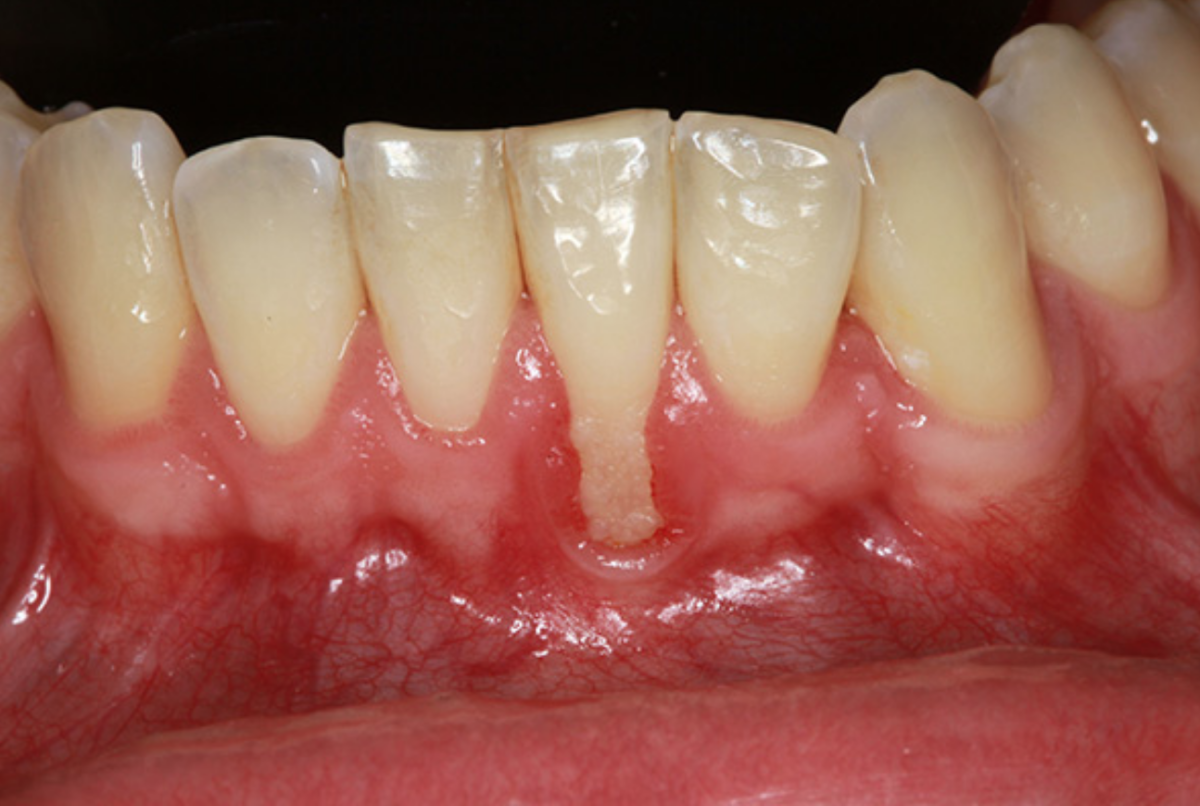
What is Gum Recession and Its Biological Mechanism?
Gum recession, clinically known as gingival recession, occurs when the margin of the gum tissue that surrounds the teeth wears away or pulls back, exposing more of the tooth or even the tooth’s root. Unlike other dental issues that might cause immediate pain, gum recession is notoriously slow. It is characterized by the marginal gum line moving toward the apex (the tip) of the tooth root.
To understand the danger, one must understand dental anatomy. A healthy tooth is divided into two main parts: The crown (the visible part) and the root (the part anchored in the bone). The crown is protected by enamel, the hardest substance in the human body. However, the root is not. Instead, the root is shielded by a much thinner, softer layer called cementum. Under normal conditions, the gums and the underlying bone provide a protective seal for the roots.
When the gums pull back, this seal is broken, leaving the porous cementum and the microscopic tubules within it vulnerable to the external environment of the oral cavity. This exposure is the primary reason behind the intense sensitivity and increased risk of root decay associated with this condition.
Receding gums expose tooth roots, leading to sensitivity and increased risk of decay
Identifying the Signs: When to Be Concerned
Because gum recession progresses slowly, proactive monitoring is essential. Do not wait for pain to occur before seeking professional evaluation.
Visibly Longer Teeth and “Black Triangles”
As the gum tissue retreats, the ratio of tooth to gum changes. You may notice that the “neck” of the tooth becomes visible, or that a small ledge or notch can be felt with your fingernail or tongue near the gum line. Additionally, the loss of the “interdental papilla” (the small triangle of gum between teeth) results in unsightly dark spaces that trap food particles and bacteria.
Severe Sensitivity and Root Exposure
A hallmark of gum recession exposing tooth root is a sharp, sudden sensation of pain when consuming hot, cold, acidic, or sugary foods and drinks. This happens because the exposed cementum and underlying dentin have thousands of microscopic tubules that lead directly to the tooth’s nerve. When these tubules are stimulated by temperature or chemicals, the nerve reacts instantly.
Root exposure causes sharp sensitivity due to direct nerve stimulation
Unusual Changes in Gum Appearance and Firmness
Healthy gums should be firm and pale pink. Gums that are undergoing recession are often inflamed, appearing dark red or purplish. They may feel soft or “spongy” to the touch and bleed easily during routine brushing or flossing.
Chronic Bad Breath and Tooth Mobility
In advanced stages, the loss of gum and bone support means the tooth loses its anchor. You might feel the tooth move slightly when you bite down. Furthermore, the pockets created by the receding gums become breeding grounds for anaerobic bacteria, which release foul-smelling sulfur compounds, leading to chronic halitosis (bad breath) that does not improve with mouthwash.
Advanced gum recession can lead to chronic bad breath and tooth mobility due to loss of support
Leading Causes of Gum Recession: A Deep Dive
Gum recession is rarely the result of a single factor; it is usually a combination of lifestyle, genetics, and biological processes.
Periodontal Disease: The Invisible Destroyer
The leading cause of gum recession is periodontal disease, a progressive infection triggered by the buildup of dental plaque, a sticky film packed with bacteria. When plaque is not properly removed through daily oral hygiene, it gradually hardens into tartar (calculus). This hardened deposit clings firmly to the tooth surface and beneath the gumline, creating the perfect conditions for bacteria to multiply and silently damage the supporting tissues.
In an attempt to “get away” from the infection, the gums and the underlying alveolar bone pull back. As the bone is destroyed, the gum tissue has no support and follows the receding bone level.
Gum recession is most commonly caused by periodontal disease
Mechanical Trauma: Brushing Too Hard
It is a common misconception that the harder you brush, the cleaner your teeth will be. In reality, aggressive brushing, especially using a hard-bristled toothbrush or a “sawing” horizontal motion can physically wear away the delicate gum tissue. Over years of mechanical stress, the thin gingival margin is forced to retreat, particularly on the prominent teeth like canines and premolars.
Thin Gingival Biotype and Genetics
Some people are simply born with a “thin biotype,” meaning their gum tissue and the underlying bone are naturally thin and fragile. These individuals are much more susceptible to recession from even minor irritations or slight aggressive brushing. Genetic factors also play a role in the positioning of the teeth; a tooth that is tilted or crowded out of the dental arch may have very little bone covering its root, making recession almost inevitable.
Thin gum biotype and genetic susceptibility to recession
Hormonal Fluctuations and Systemic Health
Changes in female hormone levels during puberty, pregnancy, or menopause can make the gums more sensitive and reactive to plaque bacteria. This increased sensitivity often leads to “pregnancy gingivitis,” which, if not managed, can quickly progress to tissue recession. Furthermore, systemic conditions like diabetes reduce the body’s ability to fight off oral infections, accelerating the rate of tissue loss.
Tobacco Use and Oral Habits
Smokers and tobacco users are significantly more likely to have receding gums. Tobacco interferes with the blood supply to the gum tissue, meaning the gums receive fewer nutrients and oxygen, and they cannot heal as effectively. Additionally, habits like lip or tongue piercings can rub against the gums, causing localized recession at the point of contact.
Tobacco use significantly impairs gum healing and increases recession risk
Is Gum Recession Dangerous? The Long-term Consequences
Overlooking gum recession can have serious long-term consequences for both your oral health and overall well-being, going far beyond aesthetic concerns.
Increased Vulnerability to Root Cavities
Because the root lacks enamel, it is significantly more prone to decay. Acids produced by bacteria can eat through the soft cementum much faster than they can penetrate the crown’s enamel. Root cavities are notoriously difficult to treat and often require complex fillings or even root canals if the decay reaches the nerve.
The Downward Spiral of Bone Loss
Gum recession and bone loss usually go hand-in-hand. When the bone level drops, the tooth becomes unstable. Without intervention, this leads to tooth mobility (looseness) and eventual tooth loss. This creates a “domino” (domino effect), as the loss of one tooth puts more stress on the remaining teeth and leads to further bone resorption in the jaw.
Gum recession can trigger bone loss, leading to loose teeth and eventual tooth loss
Links to Systemic Health (Heart and Diabetes)
The mouth serves as the entry point to overall health and the rest of the body. The chronic inflammation associated with receding gums allows bacteria and inflammatory cytokines to enter the bloodstream. Research has found strong correlations between advanced periodontal disease and an increased risk of coronary artery disease, stroke, and respiratory infections. For diabetics, the relationship is bidirectional: gum disease makes it harder to control blood sugar, and high blood sugar makes gum disease worse.
Modern Receding Gums Treatment Options
The goal of treatment is twofold: stop the progression of the disease and, where possible, restore the lost tissue to protect the roots.
Non-surgical Deep Cleaning
For mild to moderate recession caused by infection, the first line of defense is a deep cleaning. The dentist or hygienist removes all the tartar and plaque from below the gum line (scaling) and then smooths the roots of the teeth (planing). This “smoothing” makes it harder for bacteria to re-attach and encourages the gums to heal and re-seal around the tooth.
Surgical Gum Grafting Techniques
When the recession is severe or root exposure is causing pain and aesthetic concerns, a gum graft is the gold standard. There are several types:
- Connective Tissue Grafts: The most common method. A small flap is made on the roof of the mouth (palate), and tissue is taken from under the flap and stitched to the gum tissue surrounding the exposed root.
- Free Gingival Grafts: Free gingival grafts involve taking a small layer of tissue directly from the surface of the palate and placing it onto areas of thin or receding gums to increase gum thickness and help reduce further recession.
- Pedicle Grafts: Instead of taking tissue from the palate, the tissue is grafted from the gums near or around the tooth needing repair. The flap is only partially cut away so that one edge remains attached, and then the tissue is “slid” over to cover the exposed root.
Gum grafting is the gold standard for restoring lost gum tissue
The Pinhole Surgical Technique (PST)
The Pinhole Technique is a breakthrough, minimally invasive alternative to traditional grafting. Instead of using scalpels and sutures, the doctor makes a tiny “pinhole” entry point in the existing gum tissue.
Using specialized instruments, the gum tissue is gently loosened and moved down to cover the exposed root. Collagen strips are then placed through the pinhole to stabilize the tissue during healing. Because there are no large incisions, patients experience significantly less pain and swelling, and the recovery time is measured in hours rather than weeks.
Essential Home Care and Prevention Strategies
While professional treatment is necessary for an existing recession, prevention is entirely in your hands.
- Transition to an Electric Toothbrush: Many modern electric brushes have pressure sensors that flash or stop vibrating if you press too hard, effectively preventing “toothbrush abrasion.”
- Master the “Modified Bass” Technique: Instead of scrubbing, angle your brush at 45 degrees toward the gum line and use small, vibrating circular motions.
- Use Interdental Tools: Brushing only cleans 60% of the tooth’s surface. Use dental floss or interdental brushes (small “Christmas tree” brushes) to clean the gaps where recession often starts.
- Manage Bruxism (Grinding): If you wake up with a sore jaw, you may be grinding your teeth at night. The excessive lateral force can cause the bone and gums to “flex” and retreat. A custom-made nightguard from your dentist can protect your foundation.
Proper daily care plays a key role in preventing gum recession
FAQ – Frequently Asked Questions
Can gums grow back on their own after they have receded?
No, once gum tissue has been lost, it cannot regrow on its own without professional treatment. The gum line will not return to its original position without surgical treatment.
Is gum grafting painful?
No, the procedure itself is not painful because local anesthesia is used to numb the area completely during treatment. Post-treatment discomfort is mild and manageable with common pain relievers.
How much do receding gums treatments cost?
Costs vary depending on the severity, number of teeth, and treatment method. More advanced procedures like full-mouth grafting or Pinhole Technique are higher in cost.
Can electric toothbrushes cause gum recession?
No, electric toothbrushes are generally safer when used correctly. Pressure sensors help prevent excessive force that can damage gums.
Can smoking affect gum treatment results?
Yes, smoking reduces blood flow and slows healing, lowering treatment success. Dentists often recommend quitting before and after procedures for better outcomes.
Gum recession is a silent condition that can gradually compromise your oral health if left untreated, but with early awareness and proper care, it can be effectively managed. Instead of waiting for symptoms to worsen, taking action early is key to preserving your natural teeth and smile. At Alisa Dental, our experienced team provides personalized care to help you maintain healthy gums and long-term oral wellness. Contact Alisa Dental today to keep your smile strong, confident, and beautiful.
Contact Information:
- 33 Nguyen Phong Sac, Cau Giay, Hanoi
- Hotline: 0921 617 555
- Email: international@alisadental.com
- Working hours: 8:30 AM – 7:00 PM