

Periodontal disease, commonly referred to as gum disease, is a serious inflammatory condition that affects the tissues surrounding and supporting your teeth. It is the leading cause of tooth loss in adults and has been linked to various systemic health issues, including heart disease and diabetes. Understanding the progression of this disease, from simple inflammation to advanced bone loss is essential for maintaining both oral and overall health.
What Is Periodontal Disease? Prevalence and Key Facts
Periodontal disease is a broad term describing infections that affect the gums, ligaments, and alveolar bone that hold your teeth in place. It is a progressive disease that begins with the accumulation of bacteria in the mouth and the subsequent inflammatory response of the immune system. If left untreated, the inflammation destroys the supporting structures; while healthy gums fit snugly around the teeth, diseased gums pull away, creating “pockets” where plaque and bacteria can penetrate deeper.
Beyond oral health, research shows a strong connection between the state of your gums and chronic conditions such as cardiovascular disease. When analyzing the global impact, many people ask how common periodontal disease is.
Statistics show it is one of the most prevalent oral health conditions worldwide, affecting approximately 90% of the global population at some point. In the United States, nearly half of all adults over the age of 30 have some form of periodontal disease, with the prevalence rising to over 60% in adults aged 65 and older.
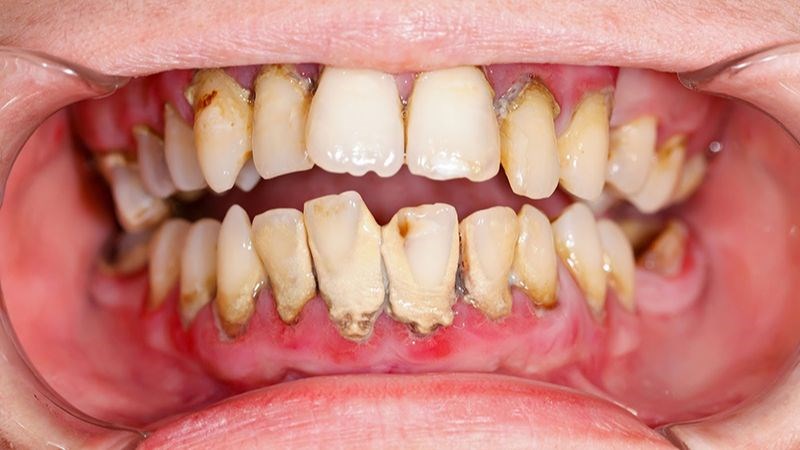
Periodontal disease is a widespread infection of the supporting tooth structures that affects nearly half of the adult population
How Periodontal Disease Develops: The Primary Causes
The buildup of dental plaque is the number one catalyst for gum-related issues. Understanding how periodontal disease develops involves looking at the biological interaction between bacteria, the hardening of minerals, and the body’s own immune response. This section explains the transition from soft plaque to hardened tartar and the resulting tissue destruction.
The Role of Biofilm and Plaque
Our mouths are home to natural bacteria that constantly combine with food particles to form a sticky, colorless film known as a biofilm or plaque. The bacteria within this plaque thrive on sugars from our diet and release harmful toxins as a byproduct. These toxins irritate the gum line, causing inflammation and triggering the initial immune response, which manifests as gingivitis. Plaque forms continuously but can be removed through diligent daily brushing and flossing.
Plaque acts as a bacterial reservoir that releases toxins to irritate and inflame the surrounding gum tissues
How Tartar (Calculus) Destroys Gum Attachment
When plaque is not removed, it mineralizes and hardens into tartar (calculus), which cannot be cleaned off with a toothbrush. Tartar provides a rough surface that allows even more plaque to accumulate, pushing the bacteria deeper below the gum line. As the gums pull away from the teeth, “periodontal pockets” form; in these oxygen-deprived environments, aggressive bacteria multiply rapidly. The resulting chronic inflammation causes the breakdown of collagen and the destruction of the bone surrounding the teeth.
The Four Phases of Periodontal Disease Progression
Periodontal damage occurs gradually over time. Understanding the different stages of periodontal disease helps patients recognize the urgency of their condition and the type of intervention required. Tracking the progression from mild inflammation to tooth loss helps in selecting the appropriate medical response.
Stage 1: Gingivitis
Gingivitis is the starting point of gum disease, characterized by red, puffy gums that may bleed during brushing or flossing. At this stage, there is no damage to the underlying bone or ligaments. Because it is non-destructive, gingivitis can be entirely reversed through improved hygiene and professional dental cleanings.
Stage 2: Slight Periodontitis
Once the infection spreads beneath the gum line, it begins to attack the supporting bone. The gums start to detach, forming small periodontal pockets (typically 4-5mm deep) that trap bacteria. While the bone loss is still minor at this stage, it is no longer reversible, and professional management is required to prevent further decay.
Slight periodontitis marks the beginning of irreversible bone loss and the formation of bacterial pockets
Stage 3: Moderate Periodontitis
If left untreated, the infection reaches the stage of moderate periodontitis, where the pockets deepen (5-7mm), and bone loss becomes significant. Patients may notice persistent bad breath, the appearance of pus at the gum line due to infection, and increased tooth sensitivity. The teeth may still feel stable, but their foundation is becoming dangerously compromised. Moderate periodontitis involves significant bone destruction and the presence of chronic infection symptoms like pus and odors.
Stage 4: Advanced Periodontitis (Bone and Tooth Loss)
This is the final and most severe stage, where the supporting bone and fibers are decimated. The teeth become loose, may shift out of place, and change the alignment of your bite. At this point, teeth often fall out on their own or must be surgically removed by a dentist to stop the spread of infection to the rest of the jaw.
Periodontal Disease vs. Gum Inflammation (Gingivitis)
It is common for patients to confuse gingivitis with periodontitis, yet they represent very different levels of severity. Gingivitis is the earliest stage of inflammation, whereas periodontitis involves irreversible structural damage. The most critical distinction in the debate of periodontal disease vs gum inflammation is that gingivitis can be completely cured with proper care, while periodontitis leads to permanent bone loss that can only be managed, not fully restored to its original state.
| Feature | Gum Inflammation | Periodontal Disease |
| Scope of Impact | Limited to the gum tissue; no bone loss. | Deep infection affecting ligaments and bone. |
| Reversibility | Can be fully reversed through professional cleaning. | Irreversible; damage can only be managed. |
| Primary Symptoms | Gums appear red, inflamed, and prone to bleeding. | Deep pockets, receding gums, and loose teeth. |
| Risk of Tooth Loss | Low, if treated early. | High, as the foundation of the tooth is destroyed. |
Early Signs of Periodontal Disease You Shouldn’t Ignore
Early detection is the key to preventing tooth loss, but because the early stages are often painless, you must be vigilant. Here are the early signs of periodontal disease that warrant an immediate visit to the dentist:
Persistent Bad Breath (Halitosis)
Chronic bad breath or a constant bad taste in the mouth is a major red flag. This occurs because bacteria hiding in deep periodontal pockets break down food particles and release foul-smelling sulfur compounds that cannot be reached by mouthwash alone. Chronic halitosis is often caused by bacteria releasing odorous toxins from deep within periodontal pockets.
Bleeding Gums During Daily Oral Care
Healthy gums should be firm and never bleed during normal hygiene routines. If your gums are dark red or purplish, feel soft or “spongy,” and bleed easily when you brush or floss, it is a clear sign of active inflammation and infection.
Bleeding gums indicate that the tissue is weakened by infection and is in an active state of inflammation
Exposed Roots: Gum Recession and Sensitivity
Gum recession occurs when the tissue pulls away from the tooth, exposing the root and making the teeth appear longer. Since the roots lack protective enamel, exposed areas become extremely sensitive to hot and cold temperatures, as well as to the touch of a toothbrush.
Risk Factors for Periodontal Disease
While plaque is the primary cause of periodontal disease, several additional factors can accelerate its progression or increase your susceptibility. Understanding these risk factors is essential for developing an effective prevention strategy and maintaining long-term oral health.
Common risk factors include:
- Smoking: Restricts blood circulation to the gums and delays tissue repair
- Diabetes: Compromises the immune system, making it harder to combat infections
- Genetic factors: Certain individuals have a higher inherited susceptibility to gum disease
- Hormonal fluctuations: Occur during puberty, pregnancy, or menopause, increasing gum sensitivity
Identifying personal risk factors allows for a more targeted and effective approach to gum disease prevention
Is Periodontal Disease Reversible?
A common concern for many patients is: is periodontal disease reversible? The answer depends entirely on the current stage of the disease. If you are in the gingivitis stage, the answer is yes; with professional cleaning and better hygiene, your gums can return to health. However, once you progress to periodontitis, the answer is no.
While you cannot reverse the bone loss that has already occurred, the disease can be “managed.” Through deep cleaning procedures like Scaling and Root Planing, or even surgical interventions like bone grafts, a dentist can stop the infection and stabilize the bone you have left.
Preventing Gum Disease: Tips for Long-Term Health
Because the consequences of advanced periodontitis are permanent, establishing a preventive routine is the most effective strategy for long-term health.
- Preventive hygiene habits (Brushing/Flossing): Brush twice a day with fluoride toothpaste and floss daily to remove plaque from between the teeth where a brush cannot reach.
- The importance of regular dental check-ups: Visit your dentist for a professional cleaning every six months. Only a professional can remove the hardened tartar that leads to pocket formation.
- Nutritional choices for gum support: Eat a balanced diet rich in vitamins C, D, and K, and minimize sugar intake to prevent feeding the bacteria that cause plaque.
Consistent preventive care not only helps avoid gum disease but also supports overall oral and systemic health
Periodontal disease is a silent threat that can lead to irreversible damage if not treated early, making timely diagnosis and professional care essential for protecting both your oral and overall health. Instead of waiting for symptoms to worsen, take a proactive approach by scheduling a consultation at Alisa Dental, where advanced 3D CT scanning and personalized treatment plans help detect and manage gum disease with precision.
Contact Information:
- 33 Nguyen Phong Sac, Cau Giay, Hanoi
- Hotline: 0921 617 555
- Email: international@alisadental.com
- Working hours: 8:30 AM – 7:00 PM