
Good wisdom tooth removal recovery starts with a clear aftercare plan. If you are having treatment in Hanoi, ask what to expect, who to contact with concerns and whether a review is needed before you travel. Your surgeon’s instructions take priority because recovery varies with the tooth and the procedure.
The first 24 hours: protect the blood clot
A clot forms in the socket after extraction. Avoid rinsing, forceful spitting or touching the socket during the first 24 hours. Rest and avoid strenuous exercise. While your mouth is numb, take care not to bite your cheek or burn yourself with hot food or drinks.
Use the gauze and any prescribed medicines as directed. Do not add extra doses or stop regular medication without advice. If you are unsure which pain relief is suitable, ask your dentist or pharmacist.
Eating and cleaning after wisdom tooth removal
Choose soft foods that are comfortable to eat, such as scrambled eggs, mashed vegetables or cooled soup. After 24 hours, clean your teeth carefully and begin gentle warm salt-water rinses if advised. Avoid disturbing the socket. Do not smoke during recovery; discuss support and the recommended period with your clinician.
These practical steps follow the UCLH post-extraction instructions. Your own aftercare sheet may include additional directions.
How long does recovery take?
Some people return to everyday activities quickly, while a difficult extraction may require several days away from work. Soreness, swelling, bruising and jaw stiffness can last up to two weeks. Recovery should generally move towards improvement; a calendar alone cannot tell you whether a wound is healing normally.
Warning signs: when to contact a dentist
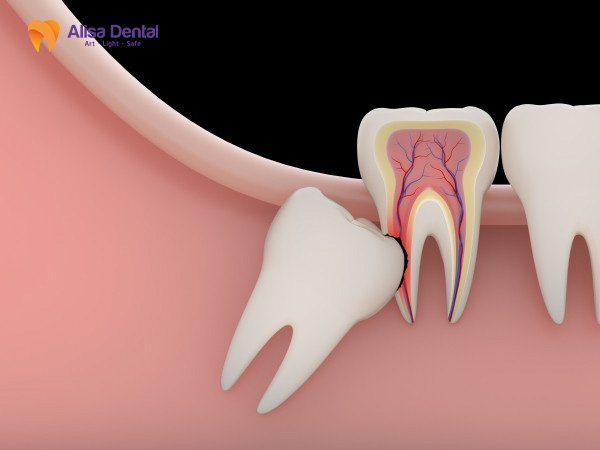
Seek urgent dental advice for bleeding that does not stop, severe or worsening pain and swelling, or pain accompanied by a bad taste, fever or feeling unwell. Dry socket and infection need assessment rather than self-diagnosis. Report ongoing numbness or tingling as well. The NHS wisdom tooth removal guide explains these complications.
Difficulty breathing or swallowing, or rapidly spreading swelling, requires immediate emergency care. Do not wait for an email reply.
Planning your recovery in Hanoi
Before leaving the clinic, keep a written record of your instructions and arrange a way to contact the treating team. If you are visiting Vietnam, discuss your departure date before scheduling surgery. Ask:
- Will I need a review or stitch removal?
- Which symptoms should prompt a same-day call?
- When can I resume my particular work and travel plans?
- What should I do if a problem develops after I return home?
Arrange an assessment or follow-up
If you are planning treatment, view the Alisa Dental price list and request a written estimate based on your examination. If you have already had an extraction, tell the clinic when it was performed and describe your symptoms when you request an appointment.
Alisa Dental Clinic is at 33 Nguyen Phong Sac, Cau Giay, Hanoi. For non-urgent enquiries, email international@alisadental.com. This guide provides general information; it does not replace your individual surgical instructions.